Choosing the Right Feeder Type for Canadian Backyards
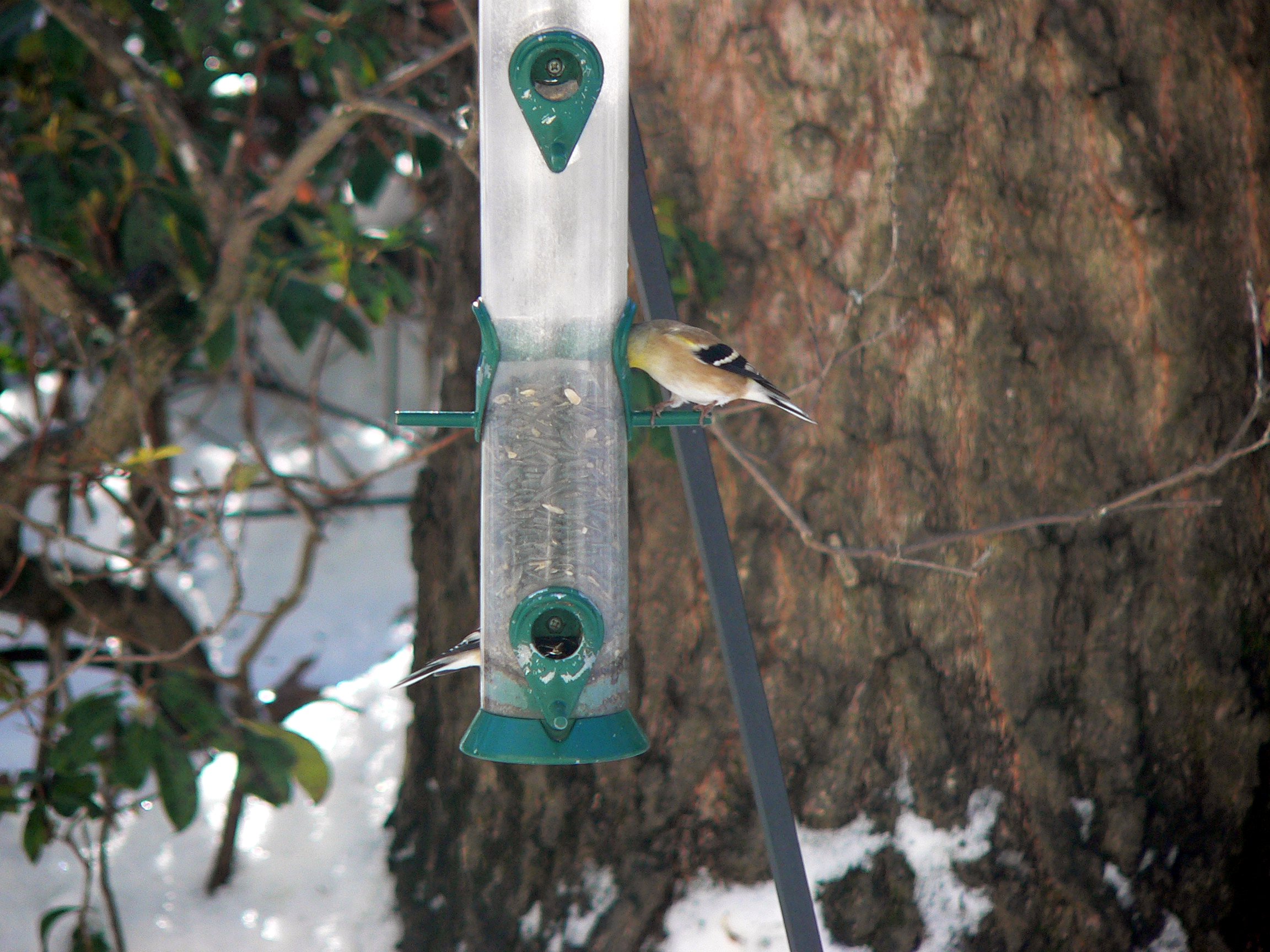
The feeder you choose shapes the guest list more than almost anything else. A tube feeder filled with nyjer draws finches; a platform of mixed seed draws ground feeders and, sometimes, less welcome visitors. Rather than buying one of everything, it helps to understand what each design does well and let that guide a small, deliberate setup.
The four common designs
Tube feeders
A vertical cylinder with several feeding ports and perches. Tube feeders keep seed dry and let small birds such as chickadees, goldfinches and house finches feed comfortably. Narrow nyjer feeders with tiny ports are aimed specifically at finches and discourage larger birds.
Hopper feeders
A roofed box that releases seed onto a tray as birds remove it. Hoppers hold a larger volume, which suits busy yards, and the roof offers some shelter from snow. They accommodate a broad mix, from finches to cardinals, depending on the seed offered.
Platform and tray feeders
An open surface with no barrier between bird and seed. Platforms attract the widest range, including ground-preferring birds like juncos and sparrows, but they also expose seed to weather and need regular cleaning. Raised trays beneath other feeders catch dropped seed and reduce waste.
Suet feeders
A cage or mesh holder for a block of rendered fat, often mixed with seed. Suet is especially valuable in cold months and is favoured by woodpeckers and nuthatches that cling while feeding.
Feeder and seed at a glance
| Feeder | Typical seed | Often attracts |
|---|---|---|
| Tube (standard) | Black-oil sunflower, sunflower hearts | Chickadees, finches, nuthatches |
| Tube (nyjer) | Nyjer seed | Goldfinches |
| Hopper | Sunflower, mixed seed | Cardinals, finches, jays |
| Platform | Mixed seed, cracked corn | Juncos, sparrows, jays |
| Suet cage | Suet block | Woodpeckers, nuthatches |

Placement and winter care
Where you put a feeder matters as much as the design. A few habits keep birds safe and seed usable through Canadian winters.
- Place feeders within a few metres of cover, so birds can retreat quickly, but not so close that predators can ambush from it.
- To reduce window collisions, position feeders either very close to the glass or well away from it.
- Keep seed dry; clear snow from platforms and check that ports are not iced over.
- Clean feeders regularly with hot water to limit the spread of disease, and rake or move feeders periodically to avoid build-up of hulls below.